About
I like turning messy problems into working systems.
I’m Tyler Casey, an AI implementation engineer with a background in marketing and operations. I build assistants, connect tools and turn recurring jobs into workflows people can use.
Through MorpheOS Ltd, I work with small teams, founders and agencies, from figuring out a useful first project to building, testing and maintaining it. My own products give me plenty of opportunities to find out what works and what needs another go.
I launched MorpheOS Ltd in July 2026. Alongside implementation work, I develop IntelligenceOS and practical software for people working with AI agents. Before that I supported Sifted's events marketing, led UK digital execution at Beaphar and led digital marketing at Releaf. The thread through all of it is fairly simple: take messy problems and turn them into products, websites and systems that work in the real world.
A slowly rotating trace of the Lorenz attractor, showing a deterministic system forming two connected lobes.
Systems thinking (the lens I use)
I look at how the whole system works because it usually makes the work less chaotic. The core idea comes from Donella Meadows: find where a small change can improve the rest of the system.
In practice, I look at how information moves between people and tools. Who needs it? Where does it get stuck? Which bits are being copied by hand? The useful answer is often in the less glamorous detail.

Creativity x Data x Technology

I like the bit where an idea stops floating around and becomes something you can actually use. Sometimes that's a campaign. Sometimes it's a website, a content structure, a reporting flow, an automation, or a spreadsheet that has got completely out of hand.
That can mean connecting APIs, writing scripts, building a dashboard or giving an assistant the right context and tools. I use AI throughout the process, including for coding, and check the result against the job it needs to do.
AI, without the small religion
I'm interested in AI, but not in the bow-before-the-glowing-robot way. I care about where it fits into real work: organising knowledge, speeding up research, building tools, improving workflows, testing ideas and getting unstuck.
I was messing around with Google's Deep Dream back in 2015, mostly because it was strange and funny and obviously pointing at something bigger. When GPT arrived in 2022, I got properly hooked. Prompts turned into websites. Websites turned into automations. Automations turned into local tools, agents and a full PC build because apparently I cannot leave things alone.
I don't think AI replaces taste, judgement or experience. It makes those things more important, because now the hard bit is knowing what to ask for, what to trust, and when the machine is confidently talking rubbish.
These days I'm building with AI a lot, but the useful parts are often unglamorous: clear instructions, good inputs, sensible checks, logs, fallbacks, and making sure the thing doesn't quietly wander off into nonsense.
Actual life
Outside work I'm usually with my family, walking Teddy, making music, listening to audiobooks, or disappearing into some new tool I definitely only meant to test for ten minutes.
- Family - husband, dad to Arthur, dog owner, and generally trying to keep the real-life bits bigger than the screen bits.
- Music - I produced as Boski and ran Fracture Recordings from 2014 to 2016, signing artists, releasing music and organising events. Music is still part of how I think about building things.
- British history - from the medieval period through the Tudor era and beyond.
- Ancient Greece and Rome - the politics, philosophy and stories that still shape how we think.
- AI research and coding - not because I want to become an AI prophet, because I like tools that make people more capable.
- PC building - designing and tuning machines for work and play (see my Project Zeus build log).
- Tolkien - an avid re-listener of the Andy Serkis Lord of the Rings audiobooks. I recently discovered A Long-Expected Soundscape, an immersive audio layer that syncs with the audiobooks.
2010 → present
The short version of how I got here.
-
2010
Foundations
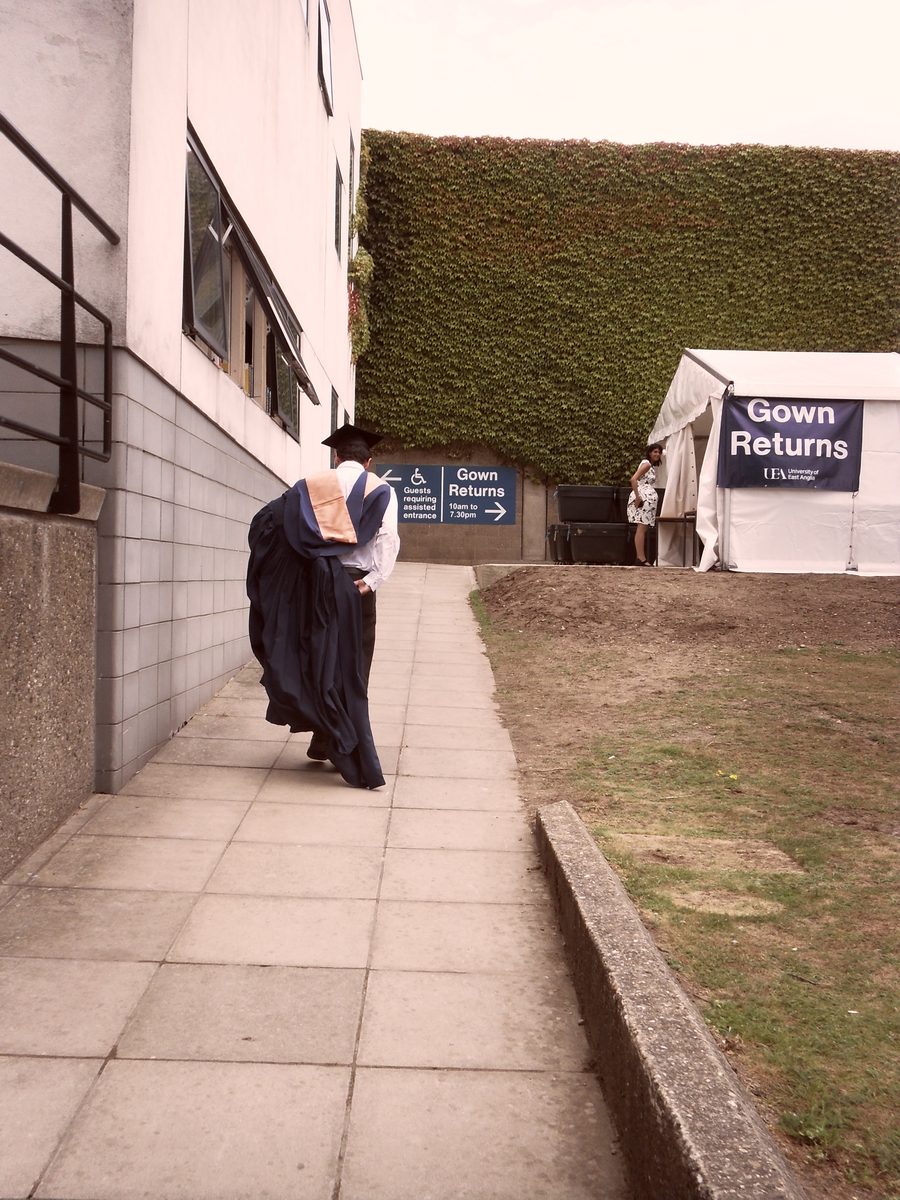
Studying History gave me a taste for systems, stories and unintended consequences. The useful habit was learning to ask how things got that way, not just what happened. That ended up being surprisingly useful for marketing and tech.
-
2014

Visual storytelling
Got into photography, music and making things online before marketing became the job. Turns out learning what to include, what to cut, and where to draw attention is basically the same skill whether you're making a track, a landing page or a content system.
-
2016
Into digital marketing
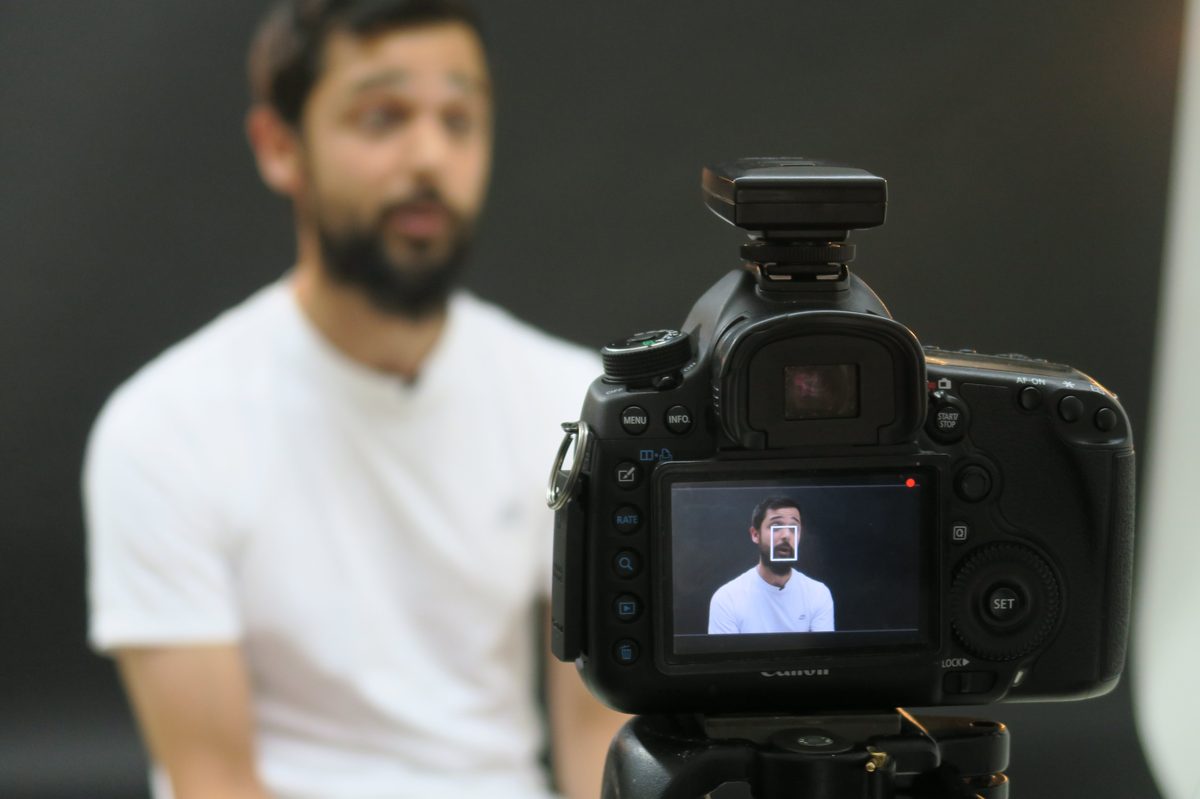
Moved into digital marketing and consultancy. Worked across enough clients to see how SEO, content, email and paid all feed each other when you set them up right. Also learned that results should not depend on someone staying up until 2am and praying at a spreadsheet.
-
2022
Systems mindset
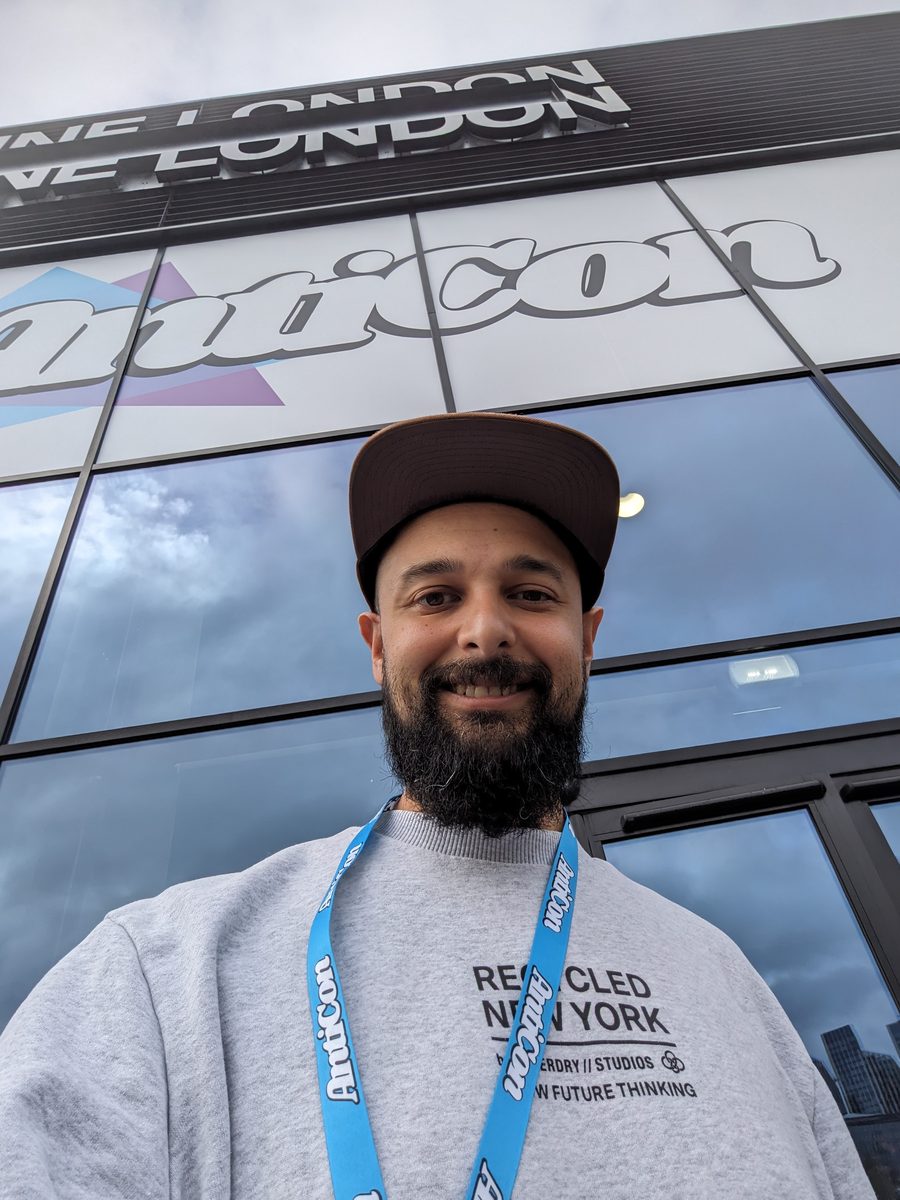
Started reading Donella Meadows and it clicked. Feedback loops, leverage points, small changes in the right place beating big changes in the wrong one. It gave language to something I already cared about: finding the structure behind the mess.
-
2024 → now
From marketing systems to software products
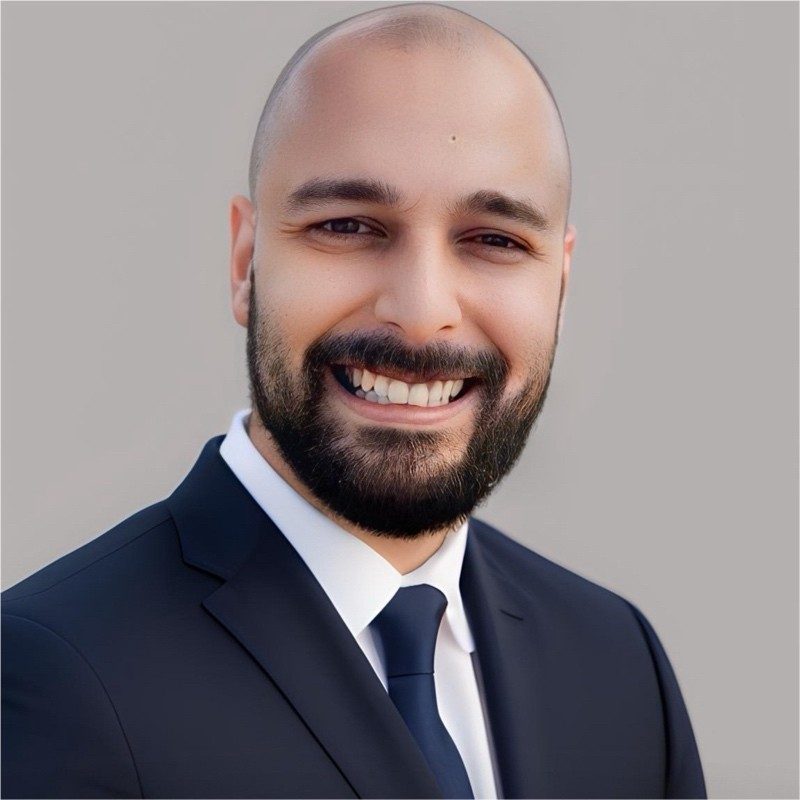
Led UK digital execution at Beaphar, supported Sifted's events marketing through June 2026, then launched MorpheOS Ltd at the start of July. I now run the company, develop IntelligenceOS and turn the systems I built for my own work into software other people can use.
-
Present
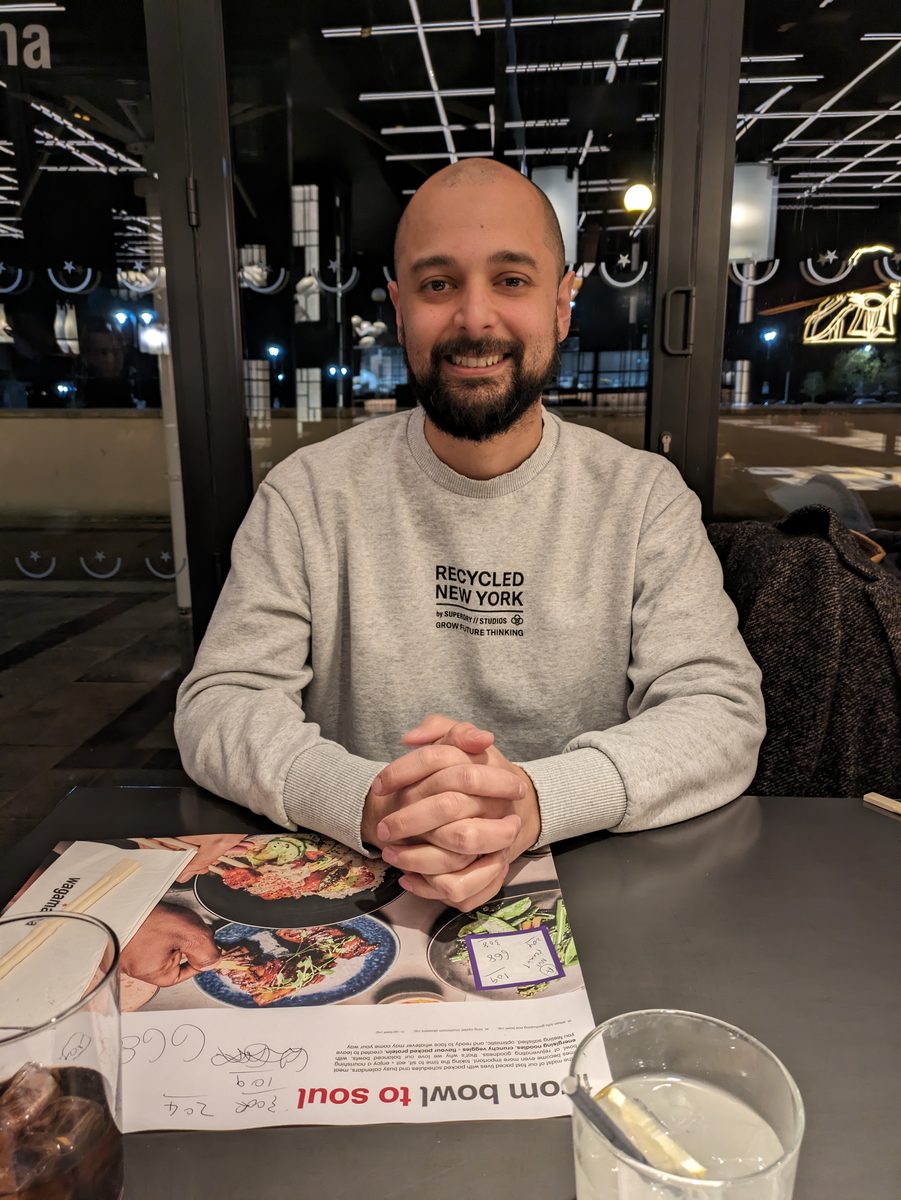
Keeping it human
I love what I do, but I'm not trying to become a dashboard with legs. Family, music, history rabbit holes, AI experiments, building PCs, Tolkien re-reads - the stuff outside work feeds the stuff inside it.


Let's talk
Tell me about something you’d like to make easier, or an idea you want to build. A few lines are enough to start. I’ll explain what I can help with, what it would cost and what I’d need from you before we begin.
